
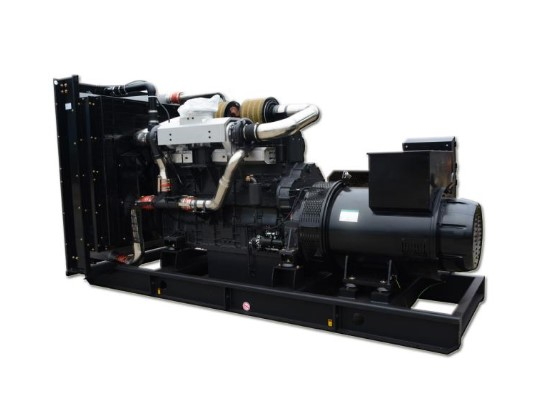
Diesel generator sets are essential backup power sources widely used in factories, hospitals, data centers, construction sites, and other critical facilities. When utility power is interrupted, they can start quickly and provide stable electricity to ensure the continuous operation of key equipment and systems. However, during actual operation, factors such as equipment aging, improper maintenance, overload, or sudden failures may create emergency situations that require immediate shutdown.
Mastering the correct emergency shutdown procedures not only helps prevent severe diesel generator set damage and reduces repair costs but, more importantly, protects the safety of on-site personnel and the surrounding environment. This article provides a comprehensive overview of situations requiring emergency shutdown, standard operating procedures, post-shutdown inspections, and routine maintenance recommendations to help operators build a systematic emergency response capability.
During operation, if any of the following conditions occur, operators must execute the emergency shutdown procedure immediately without hesitation.
Engine oil is the “lifeblood” of the engine, responsible for lubrication, cooling, cleaning, and sealing. If the pressure gauge shows oil pressure below the specified value, or if pressure suddenly drops to zero and triggers an alarm, it indicates a serious lubrication system failure. Continued operation can quickly lead to catastrophic damage such as cylinder scoring or bearing seizure. Common causes include oil pump failure, blocked oil passages, oil leaks, or insufficient oil levels.
When coolant temperature exceeds 99°C (210°F) and the red fault indicator illuminates, the engine cooling system has likely failed. Overheating can cause piston-cylinder adhesion, cylinder head deformation, and turbocharger damage. Typical causes include water pump failure, clogged radiators, low coolant levels, or thermostat malfunction. Continuing operation under these conditions may destroy the engine within minutes.
A normally operating diesel generator produces a clear, rhythmic sound. Sudden knocking, metallic impacts, grinding, or other unusual noises often indicate internal component damage, such as burned bearings, bent or broken connecting rods, detached piston pins, or broken valves. Mechanical failures can escalate rapidly, so the unit must be stopped immediately to prevent fragments from penetrating the engine block and causing greater losses.
If moving parts such as cylinders, pistons, or governors seize, engine resistance rises sharply, and current and load may spike. Failure to shut down promptly can result in crankshaft fracture or engine block rupture. Seizure is typically caused by poor lubrication, overheating expansion, foreign object intrusion, or improper assembly.
If the tachometer shows uncontrolled speed increases that remain high or exceed the rated speed, the engine is experiencing a runaway condition—one of the most dangerous diesel engine failures. Uncontrolled overspeed can cause the engine to disintegrate or even explode within seconds. Operators must initiate emergency shutdown immediately upon detecting abnormal speed.
If generator output voltage exceeds the instrument’s maximum reading or fluctuates beyond allowable limits, the voltage regulation system has likely failed. Excessive voltage can burn out connected equipment, cables, and switches, potentially causing electrical fires. Overloading the excitation system may also damage the generator itself.
Leaks in fuel or oil lines—especially when the leaking fluid contacts hot components and produces smoke—greatly increase fire risk. Although diesel is less flammable than gasoline, it can ignite on hot surfaces or when atomized under pressure. Shut down the unit immediately and cut off the fuel supply if leakage and smoke are observed.
If a fire occurs within or around the generator, or if severe electrical leakage, strong arcing, or natural disasters threaten equipment safety, the operator’s top priority is personal safety. Execute the emergency shutdown immediately and activate appropriate fire protection or emergency procedures.
Emergency shutdown must be fast and accurate while following proper protocols to prevent secondary hazards. The standard process consists of three steps: disconnect the load, cut off the fuel supply, and confirm reset conditions.
Before pressing the emergency stop button—or immediately afterward—disconnect the generator from the load by quickly switching off the main circuit breaker in the distribution cabinet.
This step serves two purposes:
Prevent voltage fluctuations from damaging sensitive equipment during shutdown.
Avoid backfeeding after shutdown, protecting both personnel and the generator.
If conditions permit, shut down critical equipment one by one before disconnecting the total load to gradually reduce generator load. This minimizes voltage shock caused by sudden unloading.
After the load is disconnected, immediately move the fuel pump control handle to the cutoff position so the engine stops due to fuel starvation.
Manual Operation: Turn the fuel shutoff valve to the “OFF” position or pull the emergency stop handle (usually red and labeled “EMERGENCY STOP”) to forcibly interrupt fuel flow to the combustion chamber.
Automatic Protection Systems: Modern large generator sets typically include automatic protection systems. Operators can press the red emergency stop button on the control panel, and the system will automatically terminate fuel supply without additional manual intervention.
Emergency Stop Button Guidelines: The emergency stop button is reserved strictly for hazardous situations. Once pressed, the engine stops immediately. After shutdown, rotate the button counterclockwise to reset it in preparation for the next startup.
Fire Response: Use the dry powder fire extinguisher located near the generator and aim at the base of the flames. Do not use CO₂ extinguishers, as extremely low temperatures may crack engine components. Never use water on electrical or fuel fires to avoid electric shock or fuel spread.
Leak Response: Cover spilled fuel or oil with absorbent pads, sand, or adsorption materials to prevent spreading. Activate ventilation systems to reduce combustible gas concentration and avoid reaching explosive limits.
Emergency shutdown is a forced interruption that may conceal underlying faults. Never restart the generator without identifying the root cause.
Lubrication System Inspection: Check whether the oil level is within the normal range and examine oil color and viscosity. Verify the oil pressure sensor and wiring connections. If oil volume is normal but pressure alarms persist, the cause may be a worn oil pump, blocked passages, or sensor failure.
Cooling System Inspection: Confirm sufficient coolant levels and inspect the tank, hoses, and pump for damage or leaks. Check whether the radiator is blocked by dust or debris and whether the fan belt is loose or broken. Restart only after eliminating the root cause of overheating.
Mechanical Component Inspection: Manually rotate the crankshaft to detect internal seizure. Listen for abnormal sounds and, if necessary, use a borescope to inspect cylinder conditions. Focus on bearings, connecting rods, pistons, and crankshafts. Mechanical damage requires disassembly and repair or replacement.
Electrical System Inspection: Measure generator winding insulation resistance using a megohmmeter to detect short circuits or grounding faults. Verify the voltage regulator and excitation system. Inspect load-side wiring for leakage or short circuits before restarting.
Under normal conditions, a fault triggers warning lights and alarms, and the generator stops automatically. If it does not, take escalating measures:
Level 1: Press the STOP emergency switch on the control panel immediately.
Level 2: If ineffective, rapidly cut off the fuel supply by closing the manual shutoff valve or temporarily blocking or bending the fuel line between the filter and injection pump.
Level 3: If the engine still does not stop, it is likely in an extreme runaway condition. Evacuate the area immediately and call professional emergency services—never approach the unit.
After shutdown, notify qualified maintenance personnel. Once the fault is fully resolved, reset the control panel switch to clear fault memory, then return it to manual or automatic mode before resuming operation.
Many modern diesel generator sets, especially large industrial models, are equipped with intelligent automatic shutdown protection systems. Sensors continuously monitor operating conditions and automatically initiate shutdown when abnormal parameters are detected.
Monitored Parameters:
Each parameter has safety thresholds that trigger immediate system response.
Protective Actions:
Automatic shutdown before severe damage if coolant is low or temperature exceeds limits.
Output disconnection and shutdown during electrical faults, overload, or undervoltage.
Immediate shutdown for low oil pressure.
Fuel and ignition cutoff (for gas units) when overspeed is detected.
These systems are especially valuable in unattended environments, ensuring equipment stops safely even without operator presence.
Prevention is always better than repair. Effective routine maintenance is the foundation for avoiding emergency shutdown scenarios.
Check oil level weekly.
Replace oil and filters every 250 operating hours or monthly.
Use manufacturer-approved oil.
Inspect pipelines and seals for leaks and clean the oil cooler semiannually.
Check coolant daily; use purified water or dedicated coolant—never untreated tap water.
Clean the radiator exterior every 500 hours.
Replace coolant annually and remove internal scale.
Inspect belt tension and thermostat operation regularly.
Use clean, compliant diesel fuel.
Clean the fuel tank periodically and remove water and sediment.
Replace fuel filters every 250 hours.
Inspect fuel lines, injectors, and high-pressure pumps for sealing integrity.
Keep the tank full during long-term storage to prevent condensation and corrosion.
Measure battery voltage and electrolyte monthly.
Ensure cable connections are tight and free from overheating or oxidation.
Clean generator terminals and apply conductive paste.
Verify indicator lights, meters, and alarms.
Conduct periodic load tests to validate capacity and automatic transfer functions.
Inspect belt tension every 500 hours and replace worn belts promptly.
Check anchor bolts and coupling connections to reduce vibration.
Perform a comprehensive overhaul every 2,000 hours or annually, including valve clearance adjustment, injector calibration, and turbocharger inspection.
Emergency shutdown operation is a critical skill for ensuring both equipment and personnel safety. Operators must remember that emergency shutdown is not simply pressing a button, it is a systematic process involving judgment, execution, inspection, and troubleshooting.
By maintaining equipment properly and mastering emergency procedures, operators can respond quickly and correctly to unexpected events, minimizing losses. Enterprises should prioritize generator safety management by installing monitoring systems, establishing standardized procedures and emergency plans, and conducting regular training and drills. Doing so ensures that every diesel generator operates reliably in critical moments and shuts down safely in dangerous situations, serving as a dependable safeguard for both production and daily operations.

Copyright © 2026 China Topper Generator Set Manufacturer Co., Ltd. All rights reserved.