
Diesel generator sets serve as critical backup power equipment and are widely used in factories, hospitals, construction sites, communication base stations, and other facilities. Whether newly purchased or placed into service after transportation and storage, generator sets require systematic inspection and preparation before formal operation. This article provides a comprehensive overview of the entire operational process, from pre-start inspection to normal shutdown and special winter maintenance, to help operators master proper usage methods.
After transportation, storage, and installation, a diesel generator set should not be started immediately. Operators must first carefully read the accompanying technical documentation to understand the specific parameters and special requirements of the unit. Based on this knowledge, conduct a systematic inspection following the steps below.
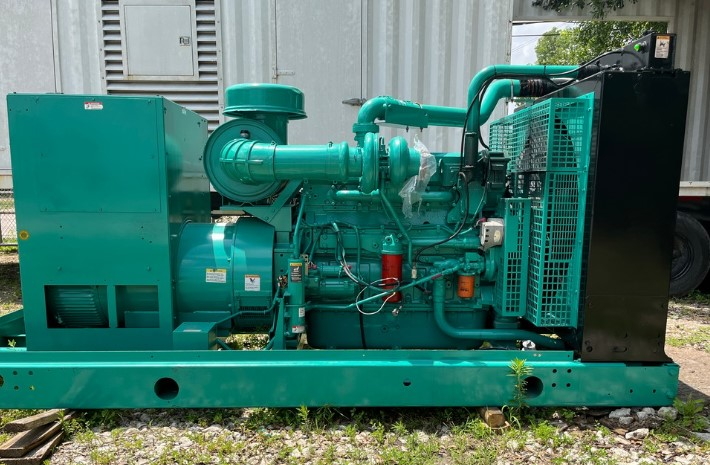
Begin by removing dust and dirt from all parts of the generator set. During transportation and storage, debris may accumulate on surfaces and inside the equipment; if these contaminants enter moving components, they can cause unnecessary wear. After cleaning, verify that all components are securely connected. Pay special attention to areas subject to heavy vibration, as bolts may loosen and require tightening.
Check that all monitoring instruments are correctly connected and in good condition. Modern diesel generator sets are equipped with multiple gauges, such as voltmeters, ammeters, frequency meters, water temperature gauges, and oil pressure gauges, which are essential for monitoring operating status. Inspect electrical wiring for incorrect connections, breaks, or looseness, as wiring issues may result in inaccurate readings or control failures.
Examine the fuel, water, and oil piping systems to ensure there are no leaks or blockages. Fuel leaks not only cause waste but also pose fire hazards; coolant leaks can lead to engine overheating; and oil leaks may result in inadequate lubrication. Carefully check pipe joints, valves, and gaskets, and resolve any problems immediately.
Verify that fuel, engine oil, and coolant levels are sufficient. If necessary, add fluids that meet the specified grades. Different generator models have strict requirements for fuel ratings and oil viscosity, so always use manufacturer-approved products.
When the ambient temperature is below 5°C (41°F), preheat the coolant to 50–80°C (122–176°F) before adding it to the radiator. This precaution helps prevent damage caused by sudden temperature changes during cold starts.
Lubricate components such as the governor, fuel injection pump, oil pump control rod, and bearing oil ports according to specified oil standards. Although these parts are not located within the main oil circuit, proper lubrication is essential for normal operation. Maintain cleanliness during refilling to prevent contaminants from entering the system.
Check the battery charge level. If voltage is insufficient, recharge or replace the battery with a fully charged one. The battery is critical for electric starting; insufficient power may prevent the starter motor from reaching the required speed.
Inspect the air filter and clean it if excessively dirty. For oil-bath filters, replace the oil after cleaning to ensure effective filtration. Also check the tension of the radiator fan belt. Press down at the belt's midpoint, its deflection should meet manufacturer specifications. A loose belt may slip and reduce cooling efficiency, while an overly tight belt increases bearing load and accelerates wear.
Confirm that the insulation resistance of all electrical circuits meets specified values. Although generators undergo strict insulation treatment during manufacturing, transportation and storage can affect performance. Test insulation resistance with a 500V megohmmeter.
Standards are as follows: insulation resistance of the stator winding, rotor pole winding, auxiliary winding, reactor, and converter winding should exceed 0.5 megohms in a hot state (approximately 75°C) and not fall below 2 megohms at room temperature. If readings are lower, the generator windings must be dried. Ensure that the grounding bolt on the generator base is effectively connected and that the grounding conductor has adequate cross-sectional area for safety.
After completing the above inspections, proceed with starting and commissioning the control system. The sequence is: turn on the power, rotate the key, and press the start button. Once the machine starts successfully, press the emergency stop button to shut it down, then turn off the key.
Rotate the key clockwise and release it after the unit starts. Press the “Menu” button on the module to enter the settings interface, input the password “0318,” and use the “Up” and “Down” keys to confirm. Check whether oil pressure and water temperature indicators are normal.
If all readings are within normal ranges, rotate the speed increase switch to the full-speed direction. When the frequency rises to 51.5–52 Hz (approximately 1500 rpm), the unit has reached maximum speed. If all indicators display normally, the machine is operating well and commissioning is successful.
If shutdown is required without faults, slowly turn the speed control knob toward idle to reduce engine speed gradually. Once parameters return to factory preset values, press the emergency stop button.
After control system commissioning, the engine can be started.
Open the fuel tank valve to ensure an unobstructed supply. Loosen the bleed valve on the fuel filter and use the hand pump to fill the system, expelling air from the fuel lines before closing the valve. Air in the fuel circuit can hinder supply and cause difficult starting or unstable operation.
Switch on the battery and place the throttle control handle in the starting position. For engines equipped with a decompression device, set the decompression handle to the closed position to reduce compression resistance during startup.
Press the start button. The starter motor should generally not run for more than 10–15 seconds. If the first attempt fails, wait at least 40–45 seconds before trying again. Avoid repeated starts to prevent excessive battery discharge and starter overheating.
After the engine starts, allow it to run at low speed for 3–5 minutes to warm up. In winter, extend the warm-up period appropriately. Listen for abnormal noises and observe whether instrument readings remain normal.
Once oil and coolant temperatures rise, increase speed to the rated value and allow the unit to run without load for several minutes. When engine oil and coolant temperatures exceed 55°C (131°F), oil pressure reaches 0.15–0.3 MPa, and all components operate normally, the load may be connected. For generator sets equipped with a thyristor excitation system, switch on the excitation circuit.
If there are no leaks or abnormalities, gradually increase the load to full capacity. Loading should always be progressive to avoid sudden engine stress.
Diesel generator sets are best operated in environments above 5°C (41°F). At lower temperatures, oil and fuel viscosity increase, coolant may freeze, battery voltage may drop, and cylinder temperatures at the end of compression decrease, all of which can prevent startup.
Adopt the following measures:
Use winter-grade fuel and lubricants with lower freezing points and better flow characteristics to ensure proper lubrication during cold starts.
Increase electrolyte specific gravity appropriately or use low-temperature batteries, and apply insulation measures such as battery boxes to maintain sufficient starting current.
Preheat the engine before startup, or heat coolant and lubricating oil to 50–70°C (122–158°F) before filling the system. Preheating significantly improves cold-start performance and reduces engine wear.
Proper shutdown is as important as proper startup. Many equipment failures stem from incorrect shutdown methods, especially in cold environments where improper procedures may cause coolant freezing, component deformation, or severe damage. Operators must be capable of rapid judgment and correct response to emergencies.
Before shutting down, conduct a comprehensive inspection for abnormalities. Then follow these steps:
Gradually remove the load and adjust the voltage regulator to a lower value.
Reduce engine speed and allow it to idle for 3–5 minutes so temperatures can drop evenly.
Move the governor handle to idle and pull the stop handle to halt the engine.
Finally, disconnect the battery switch.
Perform an emergency shutdown under the following conditions:
Oil pressure suddenly drops to extremely low levels or zero
Piston movement is seized, or critical components fail
Severe internal generator smoke accompanied by a strong burning odor
Follow the normal shutdown procedure but shorten the idle period to stop the engine quickly.
Runaway refers to uncontrolled and rapidly increasing engine speed. Immediate action is required.
Possible measures include pulling the throttle to the stop position and closing the fuel valve. However, since runaway often results from loss of control over the fuel pump plunger and residual fuel remains in the low-pressure circuit, these steps may not stop the engine quickly.
A more effective method is loosening the high-pressure fuel pipe connection to cut off fuel immediately. For small diesel engines with narrow intake pipes, cover the air filter with thick fabric or remove it and block the intake directly. Completely sealing the air intake will quickly stop the engine.
Regardless of the method, cut off fuel and air supply as rapidly as possible to prevent major accidents. Never reduce or remove the load during a runaway event, as this can cause engine speed to rise even further. After shutdown, analyze the cause and resolve the fault promptly to prevent recurrence.
The safe and stable operation of a diesel generator set depends on standardized and systematic management. From meticulous pre-start inspections to commissioning, load operation, winter protection, and proper shutdown, every step directly affects performance and service life. By strictly following operating procedures, strengthening routine maintenance, and improving emergency response capabilities, operators can minimize equipment risks while ensuring power continuity and production safety. Standardized operation is not only essential for protecting equipment but also forms the foundation for efficient and reliable power assurance.

Copyright © 2026 China Topper Generator Set Manufacturer Co., Ltd. All rights reserved.