
What is Diesel Generator No-Load Test?
In industrial applications and standby power systems, diesel generators act like reliable guardians of energy, providing stable power support for various types of equipment at critical moments. However, to ensure efficient and safe operation, regular no-load testing is indispensable. In this article, we will discuss the importance, operating procedures, and key precautions of diesel generator no-load tests, helping you fully understand and master this essential maintenance practice.
A diesel generator no-load test refers to a series of tests carried out while the generator set is running without any electrical load connected. This is similar to starting a car engine without engaging a gear, allowing the engine to run on its own to check whether all performance indicators are normal. For diesel generators, no-load testing mainly serves the following important purposes:
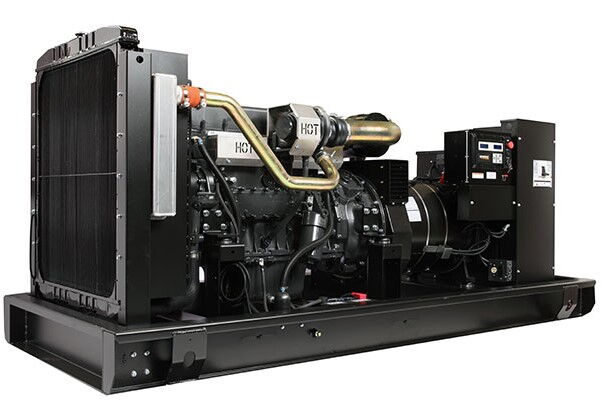
During operation, a diesel generator must automatically adjust output parameters such as voltage and frequency according to varying operating conditions. Through no-load testing, it is possible to verify whether the Automatic Voltage Regulator (AVR) can accurately stabilize the voltage near its rated value.
For example, after startup under no-load conditions, the generator terminal voltage usually approaches the upper limit of the rated voltage range. At this point, the role of the AVR becomes especially critical. If the AVR is functioning properly, it can promptly adjust the excitation current to maintain the voltage within a reasonable range. Generally, no-load voltage should not exceed ±5% of the rated value. This is similar to a precise voltage stabilizer, ensuring stable voltage output under all conditions and providing a reliable foundation for subsequent load operation.
Protection functions are vital to the safe operation of diesel generators. During no-load testing, various protective devices—such as overload protection, short-circuit protection, and undervoltage protection—can be tested.
These protective devices act like safety guards for the generator, cutting off power in the event of abnormal conditions to prevent equipment damage or even safety accidents. For example, when generator voltage fluctuates abnormally beyond the preset safety range, the undervoltage protection device will quickly activate and disconnect the generator from the load, preventing damage caused by excessively high or low voltage. No-load testing ensures that these protective devices operate accurately and promptly when required, significantly enhancing operational safety.
Modern diesel generator sets are typically equipped with various sensors and signal transmission devices to monitor operating conditions and transmit data to Distributed Control Systems (DCS) or other monitoring platforms. During no-load testing, technicians can calibrate and verify these measurement signals to ensure accuracy and reliability.
For instance, they can verify whether the speed signal accurately reflects actual rotational speed, and whether voltage and current signals match real measured values. If any discrepancies are found, adjustments and repairs can be made promptly, avoiding misjudgment of operating conditions and incorrect operational decisions caused by inaccurate signals.
For diesel generators that operate in parallel with the power grid or other power sources, phase sequence consistency is critical. During no-load testing, it is necessary to verify whether the generator output voltage phase sequence matches that of the safety section voltage.
If the phase sequence is inconsistent, parallel operation may result in failure to deliver power or even cause equipment damage. By checking and confirming phase sequence in advance, potential issues can be identified and resolved early, ensuring stable and reliable operation during parallel running.
The control system is the core of diesel generator operation, governing startup, shutdown, speed regulation, voltage regulation, and other functions. No-load testing allows verification of control logic to ensure the system executes commands accurately according to predefined programs.
For example, during startup, the control system should activate components in the correct sequence—such as starting the fuel pump, then the lubricating oil pump, and finally the generator. During operation, it should adjust engine speed and output power according to load changes. Testing control logic helps identify issues such as programming errors or sensor failures, enabling timely repair and optimization to improve stability and reliability.
When conducting a diesel generator no-load test, it is essential to strictly follow the correct operating procedures and observe all relevant precautions to ensure the safety and effectiveness of the test. The detailed operating procedures and key considerations are as follows:
Before conducting a no-load test, thorough preparation is essential to ensure smooth testing and safe generator operation.
- Unsealing and Initial Inspection: For newly installed or long-idle diesel generator sets, an unsealing inspection must be performed before startup. Check whether all components are intact and whether any connections are loose or damaged. Pay special attention to critical components such as cylinders, pistons, and crankshafts, ensuring proper sealing and lubrication. For example, verify that the cylinder head is well sealed to prevent air leakage during operation, and ensure sufficient crankshaft lubrication to avoid damage caused by inadequate lubrication. Also inspect fuel, cooling, and lubrication system pipelines for blockages or leaks. Any identified issues must be repaired before startup.
- Checking Lubricating Oil Pressure: Lubricating oil is a vital component of the engine lubrication system, reducing friction, minimizing wear, and assisting with cooling and cleaning. Before starting the diesel generator, oil pressure must be checked. Generally, oil pressure should be within the range of 200–500 kPa, although specific requirements vary by generator model. For example, different Cummins diesel generator series have slightly different oil pressure specifications. Oil pressure that is too low can lead to poor lubrication and engine failure, while excessive oil pressure may damage sealing systems. Ensuring oil pressure is within the normal range is therefore a critical pre-start check.
- Inspecting External Piping and Component Connections: Carefully inspect all external piping and component connections for oil or water leakage. Oil leaks can cause insufficient lubrication and even fire hazards, while water leaks can compromise cooling system performance, leading to overheating and reduced engine life. Pay particular attention to intake pipes, fuel lines, and cooling water connections, as these are common leakage points. Any leaks should be repaired promptly by replacing damaged seals or pipes. Checking Exhaust Smoke and Operating Sounds: Observe exhaust emissions during operation. Normal exhaust should be colorless or light gray. Black, blue, or white smoke indicates potential engine issues. Black smoke typically results from incomplete combustion, possibly due to clogged injectors or fuel system faults. Blue smoke may indicate oil entering the combustion chamber, often caused by poor cylinder sealing or excessive oil levels. White smoke may result from water in fuel or coolant entering the combustion chamber. Also listen for abnormal noises such as knocking or bearing noise, which often signal early internal engine problems like excessive piston clearance or bearing wear. Observing exhaust and sound conditions allows preliminary assessment of engine health and early detection of potential faults.
- Ensuring No-Load Startup: Diesel generators must always be started under no-load conditions. Ensure no load is connected to the generator output before startup. Starting under load may cause difficult starting or damage to both the engine and connected equipment. After startup, allow the generator to run at no load for 3–5 minutes to warm up gradually, allowing lubrication and cooling systems to function properly. Only after cooling water temperature exceeds 75°C, oil temperature exceeds 50°C, and oil pressure exceeds 0.25 MPa should the generator be allowed to enter normal operating conditions.
- Operator Qualifications: Diesel generator sets must be operated by trained professionals familiar with generator structure and safety procedures. Operators should understand working principles, component functions, operating procedures, and emergency handling measures. New or overhauled diesel engines require a 60-hour running-in period before full operation. Special requirements must also be observed, such as pre-lubricating turbochargers by adding 50–60 mL of oil before startup to prevent bearing damage. Diesel engines must never be operated without an air filter to prevent dust ingestion and premature wear. Only qualified and experienced operators can ensure safe and stable operation.
During no-load testing, operating parameters must be continuously monitored and recorded to identify abnormalities promptly.
- Monitoring Speed: Speed is a key indicator of generator operating condition. During no-load testing, engine speed should remain stable at rated speed, commonly 1500 rpm for 50 Hz systems. Abnormal fluctuations may indicate governor issues, such as spring fatigue or oil passage blockage. Any abnormal speed behavior should prompt immediate inspection and repair.
- Monitoring Voltage: Voltage stability is essential for generator operation. During no-load testing, output voltage should remain near the rated value, typically approaching the upper limit under no-load conditions. The AVR must function properly to keep voltage within ±5% of rated value. Significant fluctuations indicate AVR faults requiring inspection and adjustment.
- Monitoring Cooling Water Temperature: Cooling water temperature should remain within the normal range, typically above 60°C, though requirements vary by model. Excessively high temperature may indicate cooling fan failure, radiator blockage, or insufficient coolant. Low temperature may indicate thermostat failure. Close monitoring ensures proper cooling system performance.
- Monitoring Oil Pressure: Oil pressure should remain within the specified range (generally 200–500 kPa). Low pressure may indicate oil pump failure or insufficient oil, while high pressure may indicate filter blockage. Any abnormality requires immediate investigation to protect engine lubrication.
- Monitoring Vibration: Some vibration is normal, but excessive vibration may indicate loose components, bearing wear, flywheel imbalance, or improper installation. Excessive vibration increases stress and wear, potentially leading to failure. If abnormal vibration is detected, the generator should be stopped for inspection.
- Checking Generator Set Condition: After completing the no-load test, conduct a comprehensive inspection of the generator set. Check for component damage, loose connections, system leaks, and verify that voltage and frequency remain stable. Any abnormalities must be addressed before proceeding to load operation.
- Deciding Whether to Conduct Load Testing: After approximately 10 minutes of no-load operation with no abnormalities in speed, voltage, temperature, oil pressure, vibration, protection devices, or control systems, the generator can proceed to load testing. Load testing verifies performance under real operating conditions and should only be conducted after a successful no-load test.
In general, diesel generator no-load testing should be conducted once per month. Regular testing allows timely detection and correction of faults, preventing escalation. For generators operating under harsh conditions, such as high load or frequent starts, the interval may be reduced to once every two weeks.
Regular no-load testing helps identify abnormal changes in voltage, current, frequency, and power factor, providing baseline data for maintenance. This is similar to routine “health checkups,” identifying minor issues before they develop into major failures and ensuring reliable power supply.
Diesel generator no-load testing is especially critical for facilities such as hospitals, data centers, and factories, where backup power is essential. Failure of an untested generator during emergencies can result in severe consequences, including equipment failure, data loss, or threats to human life. Regular no-load testing is therefore indispensable.
Although no-load testing is necessary, prolonged no-load operation can be harmful to diesel generators.
Increased Oil Consumption and Higher Failure Rates: Operating below 50% rated power increases oil consumption due to incomplete combustion. Unburned fuel contaminates oil, accelerates carbon buildup, increases wear, and shortens overhaul intervals.
Accelerated Engine Wear: Prolonged no-load operation results in poor lubrication conditions. Diluted oil cannot form an effective lubricating film, accelerating wear of piston rings and cylinder liners, reducing sealing performance and engine power, and increasing fuel consumption.
Incomplete Fuel Combustion: Low combustion temperature during no-load operation leads to incomplete fuel combustion, forming deposits that clog exhaust systems and turbochargers, reducing efficiency and increasing emissions.
Degradation of Lubricating Oil Performance: Low-temperature operation accelerates oil oxidation and reduces lubrication performance. Fuel wash-down of cylinder walls degrades oil quality, increases wear, and shortens engine life.
Diesel generator no-load testing is a critical step in ensuring safe and reliable operation. Regular testing enables early detection of potential issues, prevents major failures, and ensures dependable power supply. Strict adherence to procedures, careful monitoring, and proper post-test handling are essential. At the same time, no-load operation time and load rates must be properly controlled to avoid damage caused by prolonged no-load running. Combined with regular load testing, inspection of critical components, and optimized operating environments, these measures significantly enhance generator performance and service life. Only through scientific and well-structured maintenance and management can diesel generators fully perform their role as reliable power sources, providing stable and secure electricity for industrial production and daily life.
